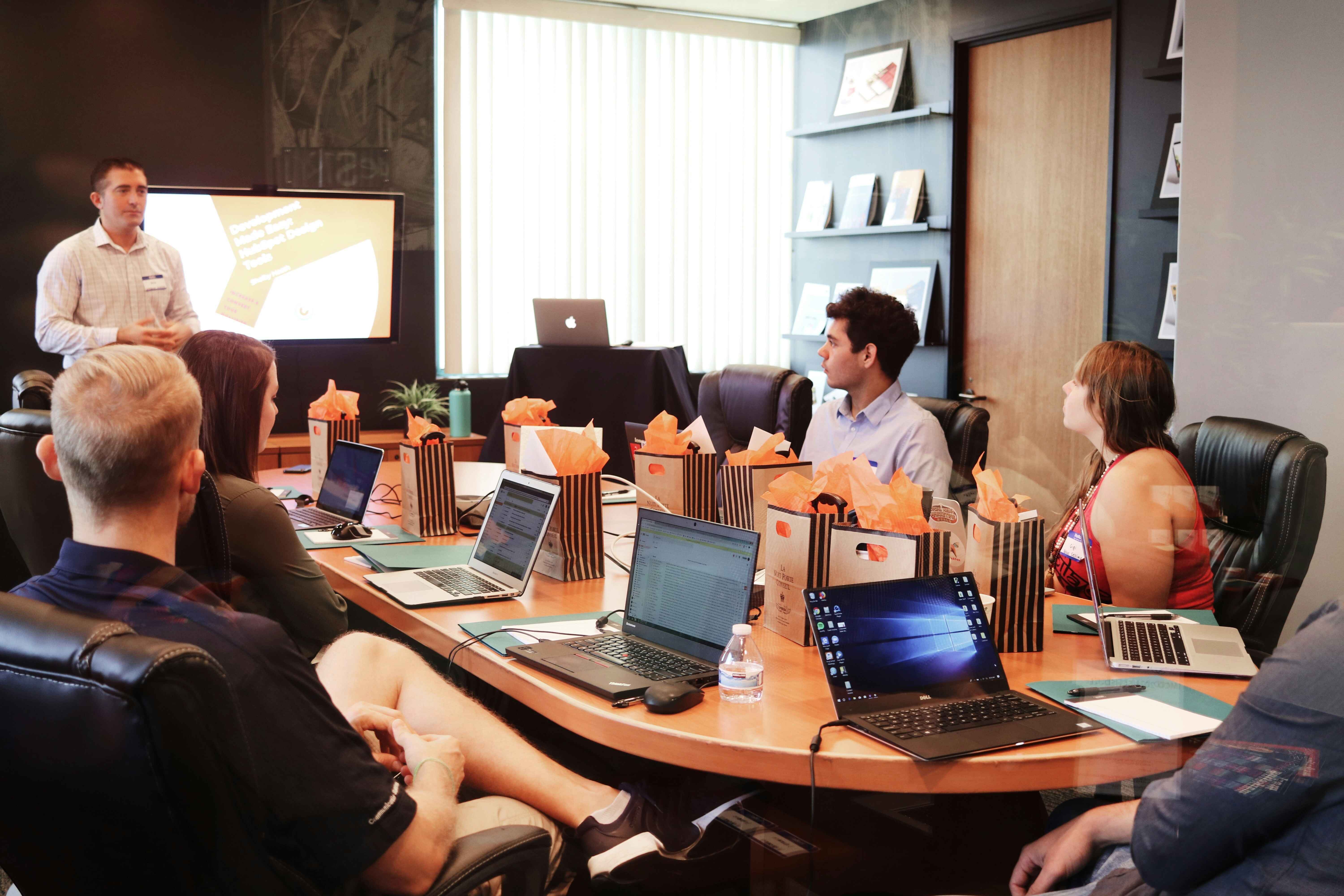
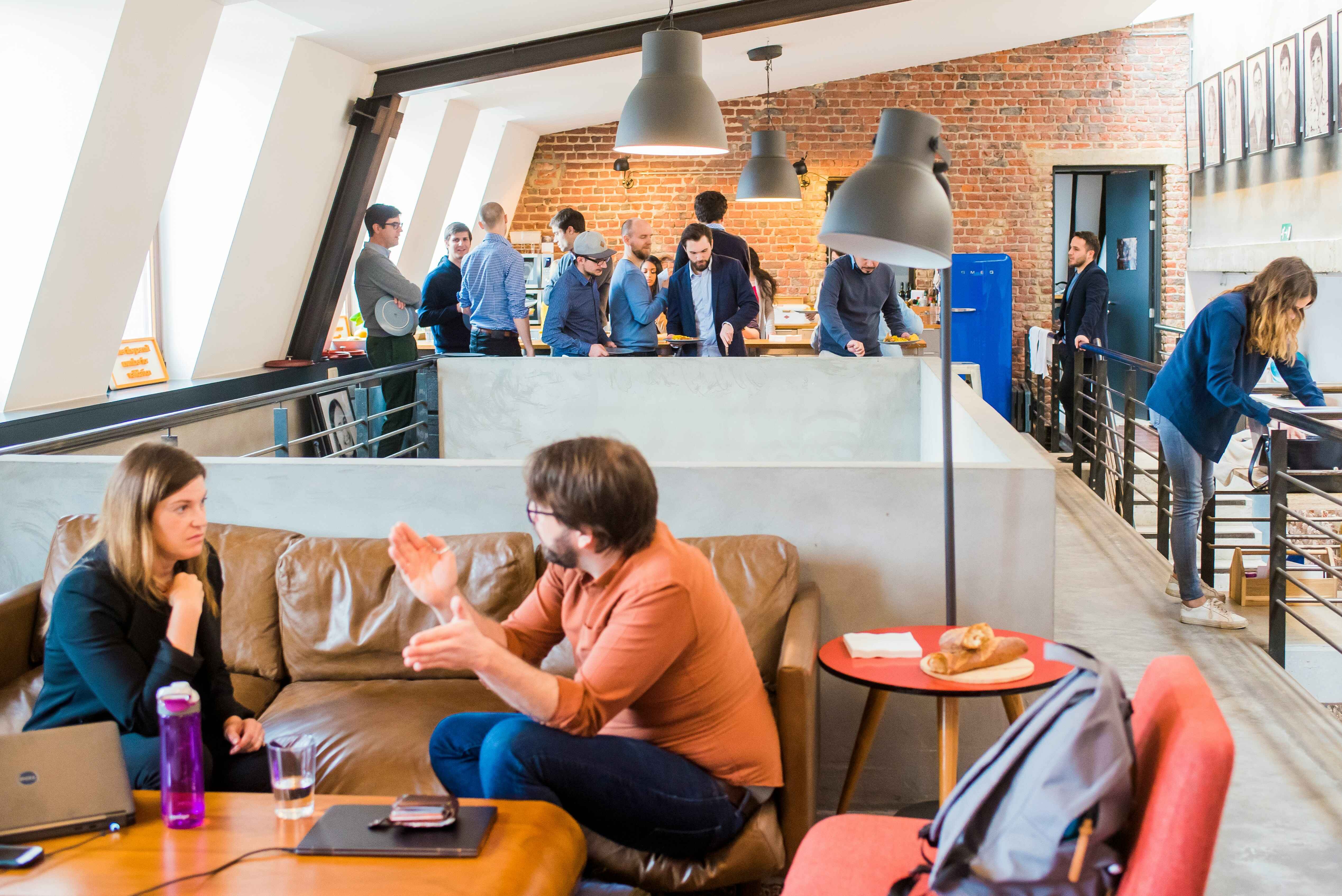
A growing remote team of 25 professionals found themselves constantly battling inefficiencies as they scaled. Communication gaps, manual workflows, and a lack of real-time visibility created bottlenecks that slowed productivity and left employees frustrated. Team members relied on an overwhelming mix of apps—email, Slack, spreadsheets, and project management software—but none of them worked together cohesively. Important updates were buried in lengthy email threads, deadlines were tracked manually, and project status meetings consumed hours each week. Managers struggled to monitor progress, and without a clear workflow, cross-team collaboration was disorganized at best and completely absent at worst.
The cost of these inefficiencies was more than just wasted time—it was impacting morale. Team members were spending excessive time on admin-heavy tasks instead of meaningful work, leading to burnout and disengagement. Collaboration suffered as individuals worked in silos, missing opportunities for creative problem-solving and knowledge sharing. Recognizing that time was their most valuable resource, the company turned to TaskStream to create a seamless, automated workflow that eliminated redundant tasks and allowed the team to focus on high-impact work.
TaskStream took a holistic approach to the problem, identifying key inefficiencies and implementing automation to streamline operations. The first step was consolidating communication channels to reduce the noise and ensure no critical information slipped through the cracks. Instead of juggling multiple platforms, the team’s Slack workspace was integrated with their project management system, automatically notifying employees of task updates, deadlines, and project milestones. Automated reminders eliminated the need for follow-up emails, reducing inbox clutter and saving each team member an average of two hours per week.
Next, we tackled task management. Previously, employees manually updated task lists and assigned work through lengthy back-and-forth conversations. TaskStream automated these processes by integrating their project management tool with time-tracking software. The new system automatically created tasks based on project briefs, updated progress in real time, and sent weekly reports to managers—cutting task management time by 35%. This allowed employees to shift their focus from administrative work to strategy and execution.
To further streamline collaboration, TaskStream introduced a real-time performance dashboard that provided managers with instant visibility into team productivity. Previously, leaders had relied on time-consuming check-in meetings to gauge progress, but now they could access up-to-date performance metrics at a glance. This not only improved decision-making but also gave employees clarity on their individual contributions, reinforcing a culture of accountability.
The final step was enhancing cross-team collaboration through automation. TaskStream designed workflows that encouraged knowledge sharing and removed barriers to teamwork. Automated scheduling tools ensured that brainstorming sessions and project reviews happened at optimal times, while file-sharing integrations guaranteed that everyone had access to the latest resources without endless email exchanges. Additionally, monthly automated “pulse check” surveys gathered feedback, allowing leadership to address team concerns proactively. Within three months, collaboration rates improved by 30%, leading to faster decision-making and more innovative problem-solving.
Before TaskStream, we were spending so much time managing work that we barely had time to do the work itself. Now, everything runs seamlessly. Collaboration is effortless, and our team finally has the bandwidth to focus on big-picture goals. TaskStream has completely changed the way we operate.
TaskStream’s approach was rooted in behavioral psychology, ensuring that automation didn’t just improve efficiency but also enhanced team engagement and morale. By implementing real-time tracking and visibility, we leveraged the Hawthorne Effect, where individuals naturally increase productivity when they know their performance is being observed. The social proof element of shared dashboards created a subtle but powerful sense of accountability, encouraging team members to meet deadlines and contribute consistently.
Another key principle was reducing cognitive overload. Employees previously struggled to navigate multiple platforms and track various conversations, leading to decision fatigue. By integrating systems and automating repetitive tasks, we removed unnecessary distractions, allowing employees to focus on deep work. Additionally, the introduction of automated feedback loops—such as pulse surveys and progress reports—helped reinforce a sense of achievement and purpose, boosting overall engagement.


The impact of TaskStream’s automation strategy was immediate and measurable. Within the first quarter, the remote team reported a 20+ hour reduction in administrative tasks per week, giving employees back the time to focus on strategic work. Task completion rates improved by 35%, as automated workflows kept projects moving efficiently with minimal manual intervention. Most importantly, collaboration—previously one of the team’s biggest challenges—saw a 30% increase, leading to stronger alignment, better knowledge-sharing, and more innovative solutions.
Beyond the numbers, employee satisfaction also improved. Pulse surveys revealed that 15% more team members felt confident in their workflows, reducing frustration and increasing motivation. Managers, who had previously spent hours tracking progress manually, were now able to focus on high-level decision-making rather than micromanaging tasks.
The transformation wasn’t just about working faster—it was about working smarter. The team no longer felt bogged down by inefficiencies, and the newfound clarity and cohesion allowed them to operate like a well-oiled machine.
Are you ready to build a smarter business? Let’s get started